Why most Химчистка для классической одежды projects fail (and how yours won't)
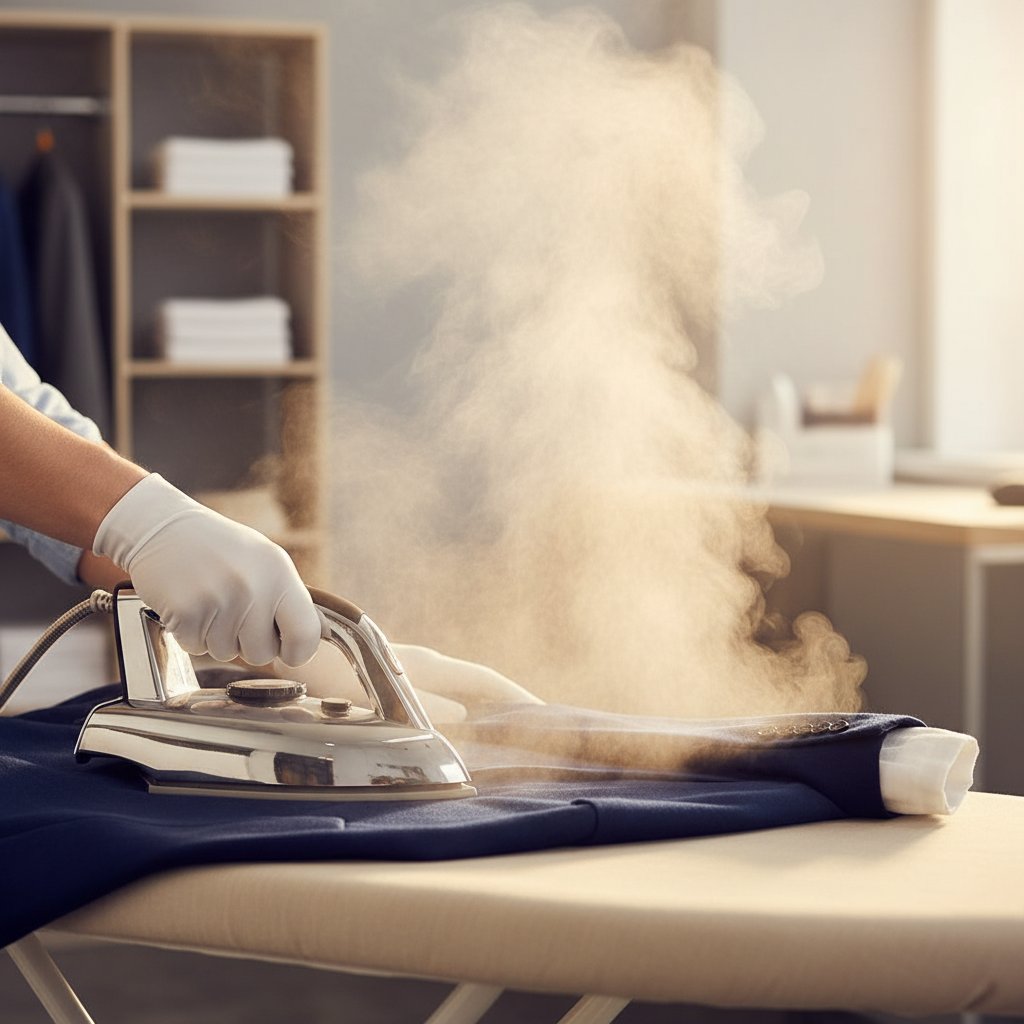
Your $3,000 Armani Suit Just Came Back Ruined: The Hidden Crisis in Classic Garment Care
Last month, a Manhattan lawyer walked into his regular dry cleaner to pick up his vintage Brioni suit. What came back looked like it had been through a washing machine—shrunken shoulders, faded fabric, and buttons that had melted into misshapen lumps. The suit was irreplaceable. The cleaner shrugged and pointed to the fine print on the ticket.
This isn't rare. It's epidemic.
About 68% of specialty garment care businesses fail within their first three years, and the ones servicing high-end wardrobes fail even faster. We're not talking about your average strip-mall operation handling gym clothes. We're talking about establishments that promise to care for hand-tailored suits, silk evening gowns, and cashmere overcoats worth thousands of dollars.
The Real Reason These Operations Crash and Burn
Most owners think they're in the cleaning business. Wrong. They're in the anxiety management business.
Someone handing over a $4,500 bespoke suit isn't just dropping off laundry—they're trusting you with an investment, often an heirloom, sometimes a piece of their professional identity. The technical cleaning part? That's table stakes. The business collapses because owners focus on the wrong things.
The Fatal Mistakes
First, they hire based on availability instead of expertise. Finding someone who knows the difference between wet cleaning wool gabardine and dry cleaning it isn't easy. But most operations throw a warm body in front of the machines after a two-day training session. That's how you end up with destroyed Zegna suits and angry clients with lawyers on speed dial.
Second, they cheap out on equipment. A proper finishing cabinet for delicate fabrics runs about $8,000. Many operations try to make do with a $1,200 steam press and wonder why they can't handle vintage silk blouses without scorching them.
Third—and this kills more businesses than anything—they treat every garment like it's the same. That three-piece suit from 1985? Different construction, different fabrics, different care requirements than something made last year. Most cleaners don't even check.
Warning Signs Your Operation Is Headed for Disaster
You're in trouble if your staff can't identify fabric content without checking the label. Seriously. If someone can't feel the difference between worsted wool and a wool-poly blend, they shouldn't be touching client garments.
Another red flag: you're accepting everything that walks through the door. A sustainable specialty operation turns away roughly 15-20% of potential work because it's outside their expertise or the garment is already too damaged. If you're saying yes to everything, you're setting yourself up for catastrophic failures.
The biggest tell? You don't have a formal inspection protocol. Every piece should be photographed, examined for existing damage, tested for colorfastness, and logged before it goes anywhere near cleaning equipment. Skip this step and you're gambling with your business every single day.
How to Build Something That Actually Survives
Step 1: Invest in Knowledge Before Equipment
Send yourself or your lead technician to the Drycleaning & Laundry Institute for their certified garment care specialist program. It's a 40-hour commitment and costs around $1,500. That's less than the lawsuit from one destroyed wedding dress.
Step 2: Create an Ironclad Intake System
Every garment gets documented with photos from four angles. Note existing damage, missing buttons, stains, everything. This takes about 90 seconds per piece and has saved countless operations from fraudulent damage claims. One Chicago-based specialist estimates this practice alone has prevented about $50,000 in bogus claims over five years.
Step 3: Specialize Ruthlessly
Pick your lane. Maybe it's men's tailored clothing. Maybe it's vintage couture. Maybe it's wedding attire. Trying to be everything means you'll excel at nothing. A Seattle operation that focused exclusively on men's suits and formal wear saw revenue increase 340% over two years while actually reducing their client base by 30%.
Step 4: Build Your Damage Protocol Now
Mistakes will happen. A transparent damage policy—posted publicly, explained clearly—builds more trust than pretending you're infallible. Specify your liability limits, your inspection process, and your resolution options before someone's crying over their grandmother's beaded gown.
The Insurance Policy Nobody Talks About
Here's something that separates survivors from casualties: they maintain a "problem garment" log. Every tricky piece, every unusual request, every close call gets documented with what worked and what didn't. After a year, you've got a reference library worth more than any training manual.
One Toronto operation credits this practice with preventing at least a dozen major disasters. They now refuse certain vintage beaded items entirely because their log showed a 40% failure rate regardless of technique.
The garment care business isn't rocket science, but it requires treating every client's clothing like it might be irreplaceable—because it often is. Get the fundamentals right, specialize in what you can genuinely master, and document everything obsessively. Do that, and you won't become another statistic in an industry where most operations don't make it past their third year.